The Spanish artist appears on Fontaines D.C.’s new album, *Dopamine Chamber*, which is out today, October 16. Behind this collaboration lies an unexpected connection between the musical roots of Spain and Ireland and the admiration that guitarist Carlos O’Connell has had for Rosalía since her early days.
Some collaborations seem as if they were designed by an algorithm.
Two popular artists.
Two different audiences.
A shared song.
Millions of potential views.
And then there are encounters that have a much more interesting explanation.
Rosalía and Fontaines D.C. have just starred in one of them.
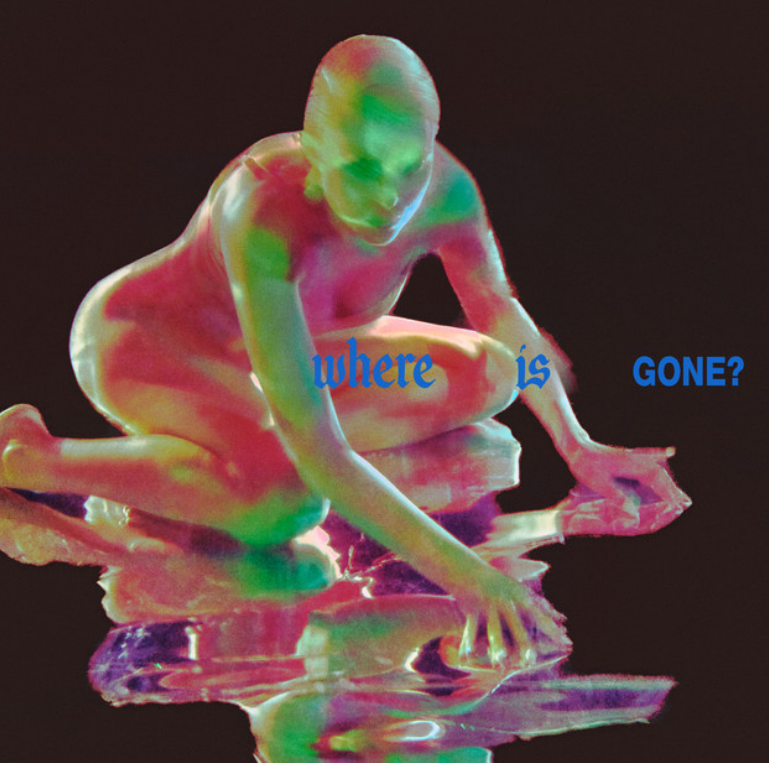
The Irish band has teamed up with the Spanish artist on “Where Is Gone?”, a song featured on *Dopamine Chamber*, their new album, released today, October 16, 2026, via XL Recordings.
The song is now available to listen to and marks a particularly intriguing collaboration between two artists who, at first glance, seem to come from very different worlds.
Rosalía has built an international career by taking flamenco, electronic experimentation, and pop into unexpected territories.
Fontaines D.C. emerged from the Dublin post-punk scene and has evolved into a style of rock that is increasingly atmospheric, ambitious, and hard to categorize.
But there is something that connects them.
And it has nothing to do with the charts.
The connection between Rosalía and Fontaines D.C. began long before this song
The key to this collaboration is Carlos O’Connell, the guitarist for Fontaines D.C.
O’Connell grew up in Madrid, immersed in both Spanish and Irish cultures. And that dual identity allowed him to recognize something in Rosalía that other international musicians might not have perceived in the same way.
It wasn’t just her voice that impressed him.
Nor his potential to become a global star.
He was particularly interested in its connection to the Spanish musical tradition.
The guitarist explains that he has been a fan of Rosalía since her first album and that he was moved to see her keep a Spanish musical tradition alive—something he felt was spiritually similar to what Fontaines D.C. has tried to do with Irish music.
It is a statement that completely changes the way this collaboration is interpreted.
Because we’re not just talking about two artists who admire each other.
We’re talking about two ways of understanding the past.
And how to use it to create music that sounds contemporary.
“Where Is Gone?” and a ballad about what we can no longer get back
The song doesn’t aim for the immediate impact of a chorus designed to go viral. It lasts just over five minutes and creates a cinematic, melancholic atmosphere, featuring orchestral arrangements and a dialogue between the voices of Grian Chatten and Rosalía.
Its emotional core is loss: memories, relationships, and that feeling of wanting to return to a moment that no longer exists.
The collaboration works precisely because neither artist needs to pretend to be the other. This isn’t Fontaines D.C. trying to do flamenco, nor is it Rosalía suddenly becoming a post-punk singer. The song seeks common ground through emotion and vocal performance.
“Dopamine Chamber” is out today, and Fontaines D.C. continues to break the rules
Fontaines D.C.’s fifth album follows *Romance* (2024), the album that greatly expanded their international audience.
Produced by James Ford, *Dopamine Chamber* delves into the band’s transformation. It features synthesizers, orchestral arrangements, and a haunting exploration of desire, loneliness, and the sensory overload of contemporary life.
Early reviews note that the album moves away from the more accessible sound of *Romance* to explore a more introspective and experimental identity.
And “Where Is Gone?” holds a special place in that journey.
It’s not just because of Rosalía.
Also because it shows just how far a band that started out playing in small venues in Dublin and now fills large international venues is willing to go.
Rosalía and Fontaines D.C.: Two Artists Who Refuse to Repeat Themselves
There is another reason why this collaboration is particularly timely.
Rosalía continues to expand the Lux universe, while Fontaines D.C. releases an album today that once again challenges expectations about their sound.
The two projects share a common idea: tradition does not have to become an artistic prison.
Rosalía can engage with flamenco and end up exploring other musical languages.
Fontaines D.C. can retain its Irish identity while incorporating electronic elements, cinematic textures, and new forms of composition.
And Carlos O’Connell, who knows both cultures from the inside, has found a connection between them.
It’s not as unusual a collaboration as it seemed.
Maybe we just needed to listen to her.
Fontaines D.C. is returning to Spain next week
The release comes just a few days before two concerts that are especially important to their Spanish fans.
October 22 — Madrid
Movistar Arena
Coming Soon
October 24 — Barcelona
Sant Jordi Club
Sold Out
Both dates appear on the band’s official schedule, which notes that the Barcelona concert is sold out.
It has not been confirmed that Rosalía will perform at these concerts, so it is best not to present her appearance as a confirmed possibility.
A collaboration that makes more sense the more you listen to it
Sometimes the music industry brings us unexpected collaborations that end up being much less interesting than their names led us to believe.
Something different is happening here.
Rosalía’s involvement doesn’t seem to be driven solely by the need to add an international star to a rock album.
There’s a story behind it.
That of a musician who grew up between Madrid and Ireland and recognizes in another artist a familiar way of connecting with her roots.
That of a band that has been evolving for years without losing its identity.
And that of a singer who continues to explore territories where no one expected to find her.
“Where Is Gone?” is now available to listen to. And as of today, it’s also part of *Dopamine Chamber*, the new album by Fontaines D.C.
Perhaps the real appeal of this collaboration isn’t in discovering just how different Rosalía and Fontaines D.C. are.
Instead, see everything they have in common.