At a time when many artists seem obliged to explain every detail of their music – concepts, narratives, symbolism – Bad Gyal proposes something radically different.
Feeling before analyzing.
His new album, Más Cara, does not pretend to be a conceptual treatise or an intellectual project full of hidden references. It is something much more direct: an album designed for dancing.
To lose stress.
To let the body do the work.
“I’m more of a vibe artist,” explains the Catalan singer. And that phrase perfectly sums up the philosophy behind the album.
At a time when pop music seems obsessed with explaining too much, Bad Gyal goes back to basics: the energy of the club.
An album born from the sounds he has always listened to.


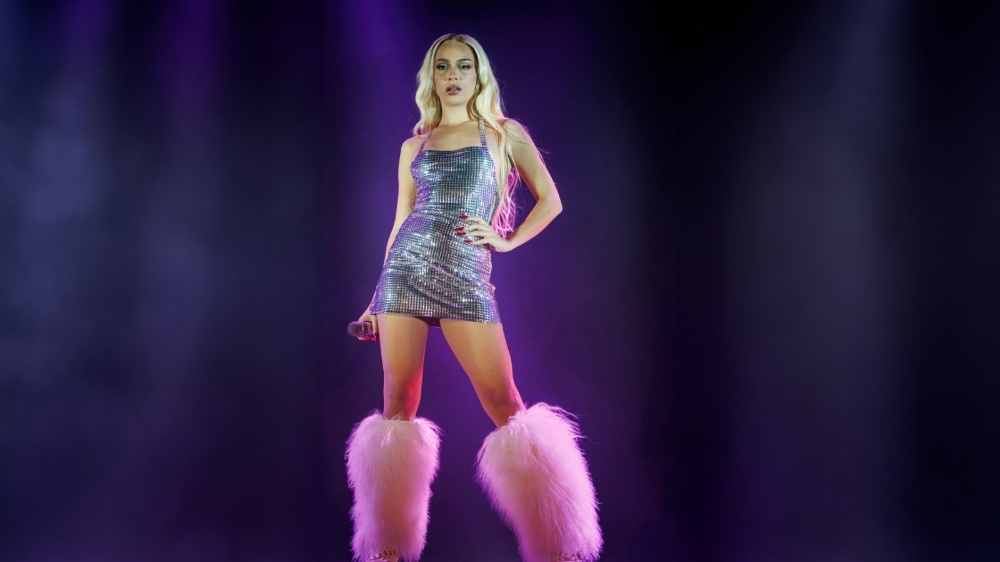

The starting point for Más Cara was not a conceptual idea.
It was something much simpler: the genres he likes.
Bad Gyal grew up in Spain during the reggaeton boom in Europe. That generation absorbed Caribbean rhythms at parties, discos and digital playlists. That sound ended up being part of her artistic identity.
In this new project, the artist expands this universe with influences that have been accompanying her for years:
- classic reggaeton of the 2000s
- contemporary dancehall
- Haitian kompa
- meringue
- mambo
More than reinventing herself, Bad Gyal seems to explore her own personal musical archive. A map of sounds that have defined global club culture over the last two decades.
After La Joia: a natural evolution
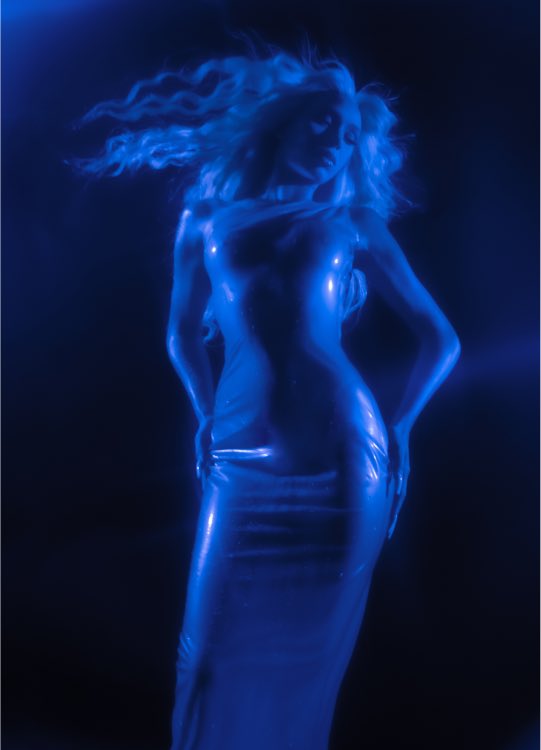
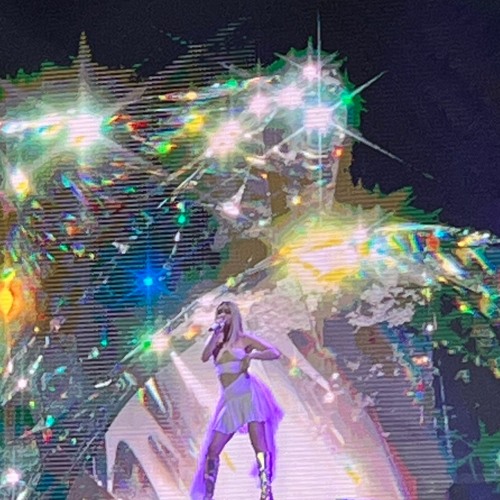

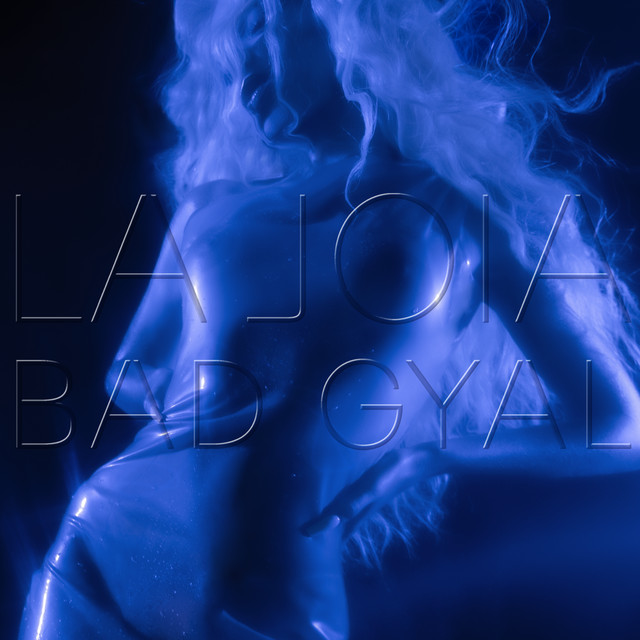
The new album comes after La Joia, the project that definitively consolidated Bad Gyal within the European urban pop scene.
But this time the creative process was different.
If that album was built from multiple sessions with different producers -many of them in Miami-, Más Cara was born from a clearer structure: a creative team that understood its identity from the beginning.
Producers and songwriters capable of expanding their sound without altering what makes Bad Gyal Bad Gyal.
That change allowed the project to have a more cohesive vision and a more fluid energy within the studio.
The studio as a creative refuge
Although her career is marked by massive concerts, viral music videos and a very defined visual aesthetic, Bad Gyal’s favorite part of her work is still the most intimate.
Songwriting.
For the artist, the studio functions almost like creative therapy.
Public exposure is an inevitable part of the job: tours, interviews, expectations. But when you’re in the studio, that noise disappears.
There you can create without pressure.
Experiment.
Mistake.
And turn emotions into music.
The new global era of Latin music
The release of Más Cara also comes at a time when Latin music is experiencing one of the most influential cultural cycles in its history.
Artists like Bad Bunny have proven that Spanish can dominate the global conversation, from streaming platforms to international stages and events like the Grammy Awards.
But the impact of these artists is not only commercial.
It is also cultural.
From reggaeton to merengue to dembow, Latin rhythms generate a collective energy that crosses borders. At parties, clubs and festivals around the world, this music connects with very different audiences.
For Bad Gyal, that energy explains why the genre continues to grow.
The Bad Gyal identity
When asked what the formula behind her career is, the artist answers honestly.
There is no formula.
After filling bigger and bigger venues and consolidating her international presence, Bad Gyal insists that her only method has been to stay true to her identity.
In an industry dominated by viral trends, algorithms and calculated strategies, his approach gets back to basics.
Make music that works in the club.
And let the rest happen.