There was a time when going to a festival was like opening a treasure map: you didn’t know what you were going to find, but you knew something was going to blow your mind.
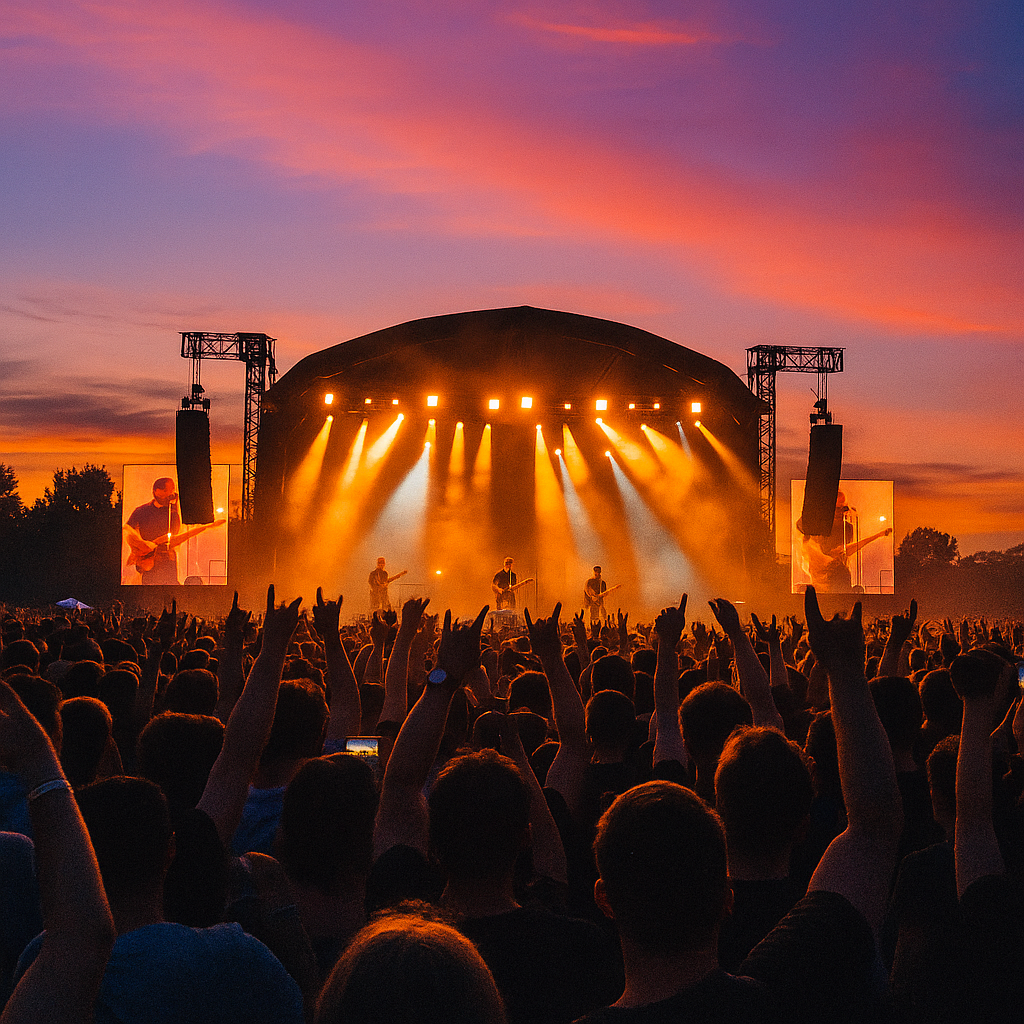
Today, on the other hand, it seems that all roads lead to the same lineup. You close your eyes and you could be at Mad Cool, BBK, Primavera or a festival invented by Spotify: the same names, the same kind of audience, the same songs chanted in unison at a quarter past nine at night.
It’s not paranoia. It’s the algorithm. And it no longer lives only in your feed: now it also decides what you listen to live.
The era of the “poster template
Spain has become a festival machine. There are events on the coast, in the mountains, in tiny villages and in cities that no longer know where to put so much stage.
And yet, if you put one next to the other, it is difficult to distinguish them. They change the logo, the location and the price of beer, but the line-up is suspiciously similar.
Why? Because the live business has caught the same virus as the streaming business: the logic of the sure thing.
Organizers look at which artists are on the rise in plays, who is killing it on TikTok, who has a tour that guarantees sold out… and they build their line-up around that.
Data rules, intuition disappears.
From risk to formula
Before a festival was a space of discovery. You could come across an Icelandic band that changed your summer or a band that nobody knew and you would leave with the name tattooed in your memory.
Now the risk margin is minimal.
You have to sell tickets, justify budgets, please sponsors and ensure visibility in networks.
And for that nothing works better than repeating what already worked.
Emerging artists are relegated to secondary stages with impossible schedules, while the big names take over prime time.
The result: a sonorous déjà vu that is repeated every weekend.
The public is also partly to blame
Yes, algorithms influence, but the public has also changed.
We discover music through automated playlists, we listen to what the app recommends and we end up asking for the same thing live.
Festivals respond to this demand for sound comfort. Nobody wants to be the weirdo who plays an experimental band at 22:00 if they know that the audience wants to sing the usual chorus.
But that comfort comes at a price: surprise.
And when festivals lose the surprise, they lose their soul.
All is not lost (yet)
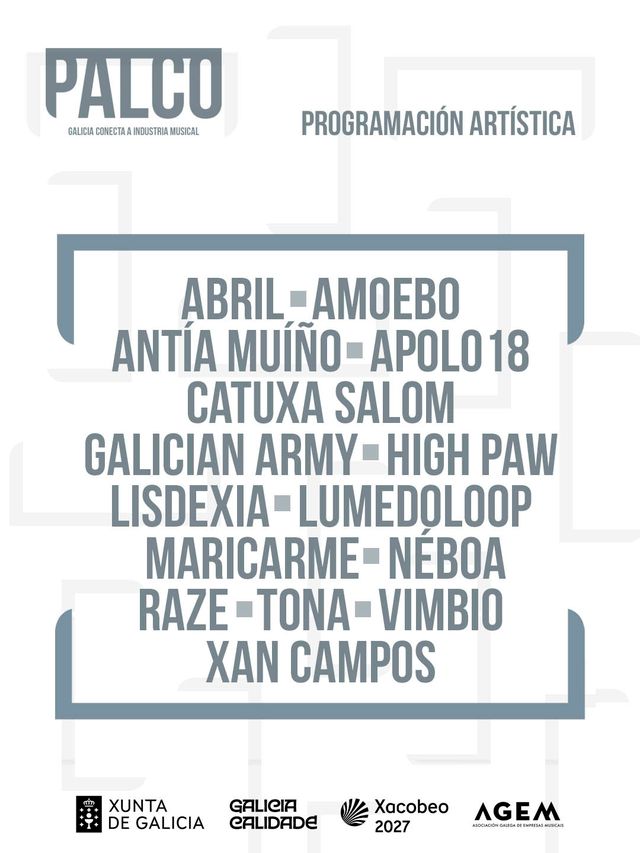
There are those who resist. Medium-sized or local festivals that continue to bet on diversity, on artists that are not on the radar, on sounds that don’t fit the mold.
That’s where the magic still happens: the discovery, the word of mouth, the “who the hell are these and why didn’t I know them?”.
The problem is that this courage rarely has the media echo of the giants sponsored by energy drinks and cell phone brands.
And so, the alternative becomes a whisper while the mainstream roars through all the speakers.
Back to unpredictability
Maybe the time has come for festivals to remember why they exist: to bring people, music and risk together.
Not to replicate a playlist.
Not to serve as a showcase for algorithms that already follow us all year long.
A festival should be a place where you discover something new, not where you listen live to the same thing that plays on your Spotify Wrapped.
A place where you get lost, not where everything is perfectly calculated to please you.