By LoffMusic’s Editorial Staff
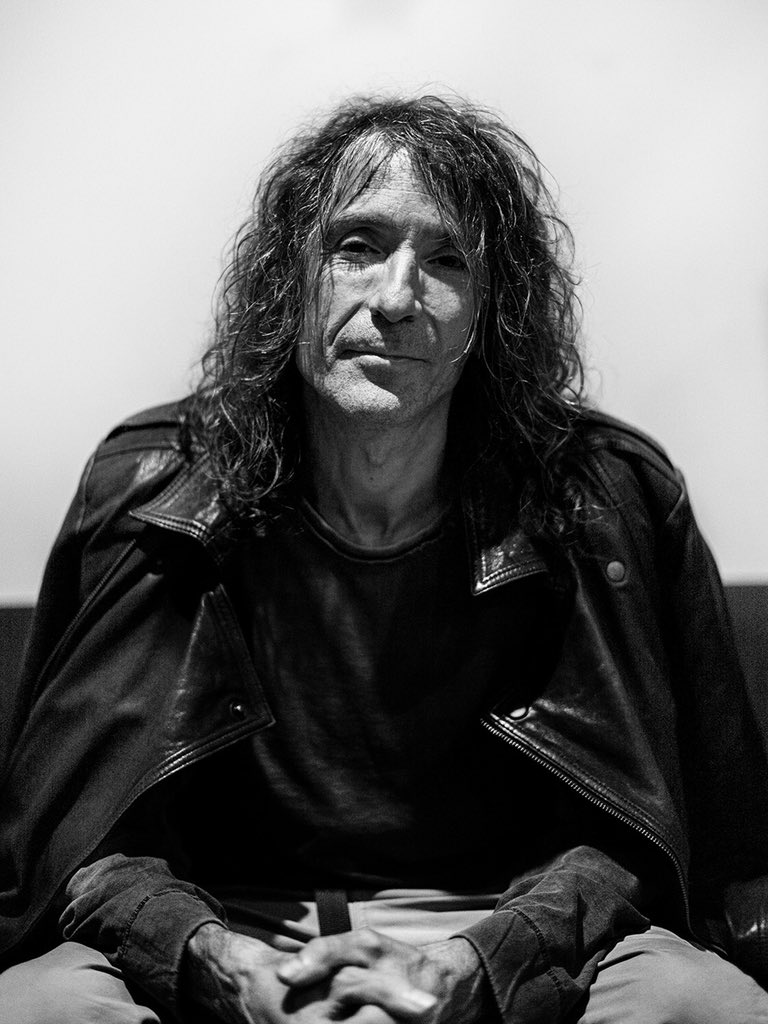
Robe Iniesta has died. And with his silence something more than the pulse of a rock myth is extinguished: a way of understanding life from excess, tenderness and woundedness is extinguished. The leader of Extremoduro, the artist who turned marginality into literature and rebellion into a language of his own, has left behind a legacy that transcends any musical label. He was 63 years old and with him goes the most singular voice that rock in Spanish has ever known.
A poet in the trenches
Robe was not heard: he was read. Even when he shouted. His lyrics were more than songs; they were intimate notebooks written with the trembling pulse of someone who has seen the night from the inside. While others called for revolution, Robe embodied it. Not the imposture, not the pose; the slow, uncomfortable revolution that demands looking in the mirror and facing the abyss of oneself.
His poetry embraced what society prefers to hide: alcohol, impure love, poverty, madness, suicidal hope, fierce tenderness. He was a writer without academia and, without intending to, he left entire generations reciting verses that they will never read in a classroom, but which have marked more lives than any literary treatise.
Extremoduro and the fire that didn’t need a permit
Extremoduro was not just a band. It was a way of being in the world. From the precarious self-production of his first albums to the creative radicalism of his last years, Robe defended an iron independence, almost anti-social. Neither the record companies nor the industry could defeat him. He did not make music to sell it, but to survive it.
The rawness of his sound struck, but it was his phrases that opened scars. Who, in Spanish music, has managed to write with mud and sky at the same time? Robe did not ask for elegance: he vomited it.
Farewell to the uncomfortable humanist
Many called him a rebel, others a madman, others a genius. But Robe was, above all, a humanist. At a time when discourses are superficial and culture is debated between the disposable and the profitable, he opted for depth, even if it stung. He was free without marketing, radical without propaganda, honest without cheesiness.
His work has not disappeared: he now begins another stage, where he can no longer defend it, but neither can he betray it. His songs will continue to change lives, comforting those who listen to him as those who seek refuge in a painful but necessary truth.
What remains
In his death there is no morbidity, no spectacle, no cheap mythification. There is cultural mourning. Because Robe was an anomaly in times of uniformity. A poet drunk with reality who never asked permission to feel. A musician who understood that art is not a commodity, but an outburst.
Today Spanish rock loses its roughest and most luminous voice. His work remains, which will continue to discomfort, to caress, to reveal. The emptiness remains, but also the echo. And in that echo, a promise: as long as someone sings his lyrics, Robe will live on.
Perhaps the best tribute is not to mourn him, but to listen to him as he wrote: without fear, without filters and without asking for forgiveness.